Does Moot Court Help With BigLaw Recruiting?
BigLaw Bear · 2 min read
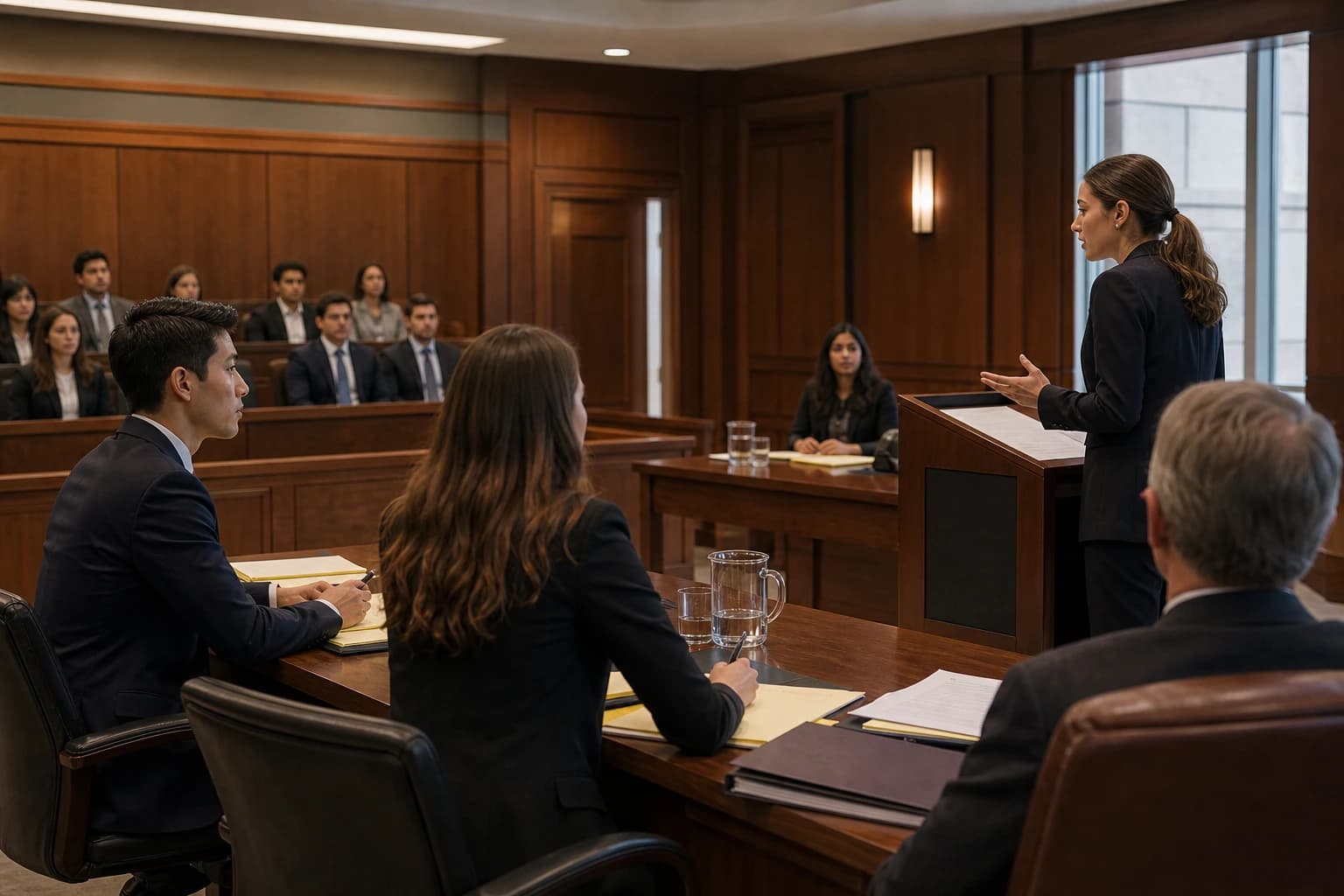
Moot court develops real legal skills: oral advocacy, brief writing, thinking on your feet. But let's talk about whether it actually moves the needle with BigLaw firms.
The Short Answer
Moot court helps, but less than you'd think. It's a positive on your resume, especially if you're interested in litigation. But it won't overcome weak grades, and it's rarely the deciding factor in a hiring decision.
When It Helps
If you're targeting litigation groups, moot court shows genuine interest and relevant skills. Partners in litigation groups appreciate that you've practiced oral argument. If you win a competition or earn best brief, that's a meaningful distinction.
It's also useful as an interview talking point. You'll have concrete experiences to discuss, which is better than struggling to fill 20 minutes of conversation.
When It Doesn't Move the Needle
For transactional practice areas (corporate, M&A, banking), moot court is basically irrelevant to your candidacy. It won't hurt, but nobody in a corporate group is hiring you because of your appellate brief.
If you're at a T6 with strong grades, moot court is a nice addition but won't change your outcomes. Firms are already interested.
Moot Court vs. Law Review
If you have to choose, law review generally carries more weight in recruiting because it signals academic achievement and writing ability across all practice areas. But if you genuinely love advocacy and have the grades to support your candidacy, moot court is a perfectly fine choice.
Do what you'll actually enjoy and excel at. Firms can tell when someone is just resume-building.