What Should Your Writing Sample Be?
BigLaw Bear · 2 min read
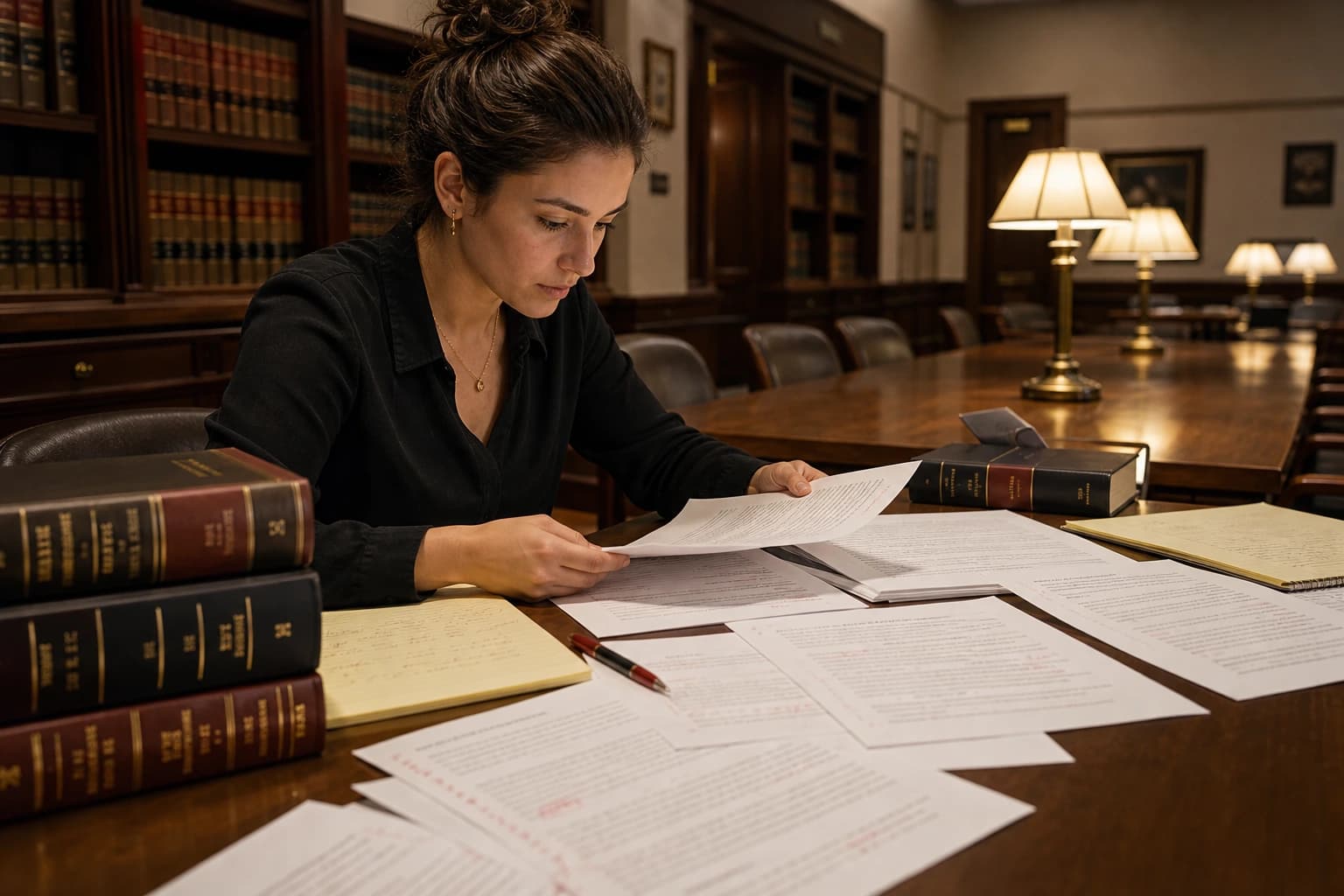
Most BigLaw firms ask for a writing sample at some point in the recruiting process, usually after the screening interview or before a callback. Choosing the right sample matters more than most students realize.
What to Use
Best options:
- A memo or brief from your legal writing class (1L or 2L)
- A journal note or comment (edited down to a reasonable length)
- A brief from a moot court competition
- A memo from a clinic or internship (if you have permission to share it)
Length: 8-15 pages unless the firm specifies otherwise. If your best work is longer, excerpt a section and add a cover note explaining the context.
What Firms Are Looking For
They want to see that you can:
- Identify and frame a legal issue clearly. Is the question presented crisp?
- Analyze systematically. Do you apply law to facts in a structured way?
- Write clearly. Short sentences, active voice, no unnecessary jargon.
- Cite properly. Bluebook format, accurate citations, no string cites without purpose.
They're not evaluating whether you reached the "right" answer. They're evaluating whether your reasoning is sound and your prose is clean.
How to Prepare It
- Edit ruthlessly. Your classroom draft is a starting point, not a finished product. Tighten every paragraph.
- Get feedback. Have a professor, writing instructor, or career counselor review it.
- Add a cover page. Brief context: what the assignment was, what course it came from, and any necessary background.
- Remove identifying information from clinic or internship work if it involves real clients.
Common Mistakes
- Submitting something too long. If they asked for 10 pages and you send 25, you've already failed a test.
- Submitting unedited work. Typos and citation errors in your writing sample are devastating.
- Choosing a topic to impress rather than choosing your best writing. A clean analysis of a straightforward issue beats a sloppy treatment of a complex one.
Does It Really Matter?
It varies by firm and by practice group. Litigators tend to scrutinize writing samples more carefully. But every firm values clear legal writing, it's the core skill of the profession. Treat the sample as seriously as you treat your resume.
For more on building strong application materials, browse firm-specific insights on the firm directory.